
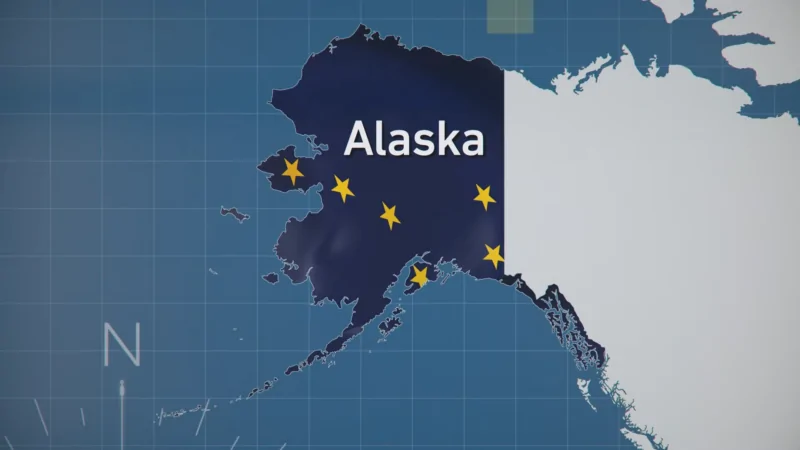
Alaska Economy 2025: 7 Trends Driving Growth & Risk
The Alaska economy in 2025 is undergoing a significant transformation. Fueled by resurgent oil and gas development, increased federal infrastructure spending, and robust job growth in key sectors, the state is rebounding from past stagnation. Yet, alongside these gains lie persistent structural challenges; affordable housing, budget sustainability, and sectoral dependency; that demand strategic planning and innovation.
Construction and Energy Projects Power Employment Growth
Employment growth across Alaska continues to strengthen in 2025, particularly due to high-impact construction and oil and gas activities. Major capital projects such as the Willow Project and Pikka Development are at the forefront.
Notable Energy Projects:
| Project | Location | Estimated Cost | Status |
| Pikka Project | North Slope | $8 billion | Production expected by late 2025 |
| Willow Project | NPR-A (North Slope) | $6 billion | Ongoing development phase |
These projects are not only restoring Alaska’s position in the energy sector but are also generating thousands of direct and indirect jobs in logistics, construction, equipment, engineering, and oilfield services. According to the Alaska Department of Labor, oil and gas employment is projected to rise by 6.4% in 2025, the highest rate since 2014.
Expert Insight:
“We’re seeing unprecedented hiring across North Slope contractors. It’s not just oil field jobs; it’s housing, supply chain, and heavy transportation,” says Tony Wray, Project Manager at a North Slope logistics firm.
Surge in Federal Infrastructure Funding Stimulates Growth
The influx of federal construction and infrastructure dollars; largely from the Infrastructure Investment and Jobs Act (IIJA) and Inflation Reduction Act (IRA), is reshaping Alaska’s economic map.
Key Benefits:
- Anchorage, Fairbanks, and Juneau are experiencing a boom in architectural and engineering contracts.
- Remote communities are receiving federal support for transportation, renewable energy, and clean water infrastructure.
- Rural airstrip upgrades, port modernization, and broadband expansions are helping bridge the urban-rural divide.
In FY2024–2025 alone, over $1.3 billion in federal contracts have been awarded in Alaska, according to USAspending.gov.
Healthcare and Logistics Sectors Continue to Expand
Aside from energy and construction, healthcare, transportation, warehousing, and utilities are key sectors driving employment in Alaska.
Highlights:
- Alaska’s aging population is increasing demand for healthcare workers, from nurses to medical technicians.
- As Arctic shipping routes grow more viable, demand for freight and warehousing is increasing in ports like Anchorage and Nome.
- Utility companies are investing in grid resilience projects, including microgrids and renewable integration, which have opened roles in technical, planning, and support functions.
Stat Snapshot:
Healthcare added nearly 1,800 new jobs in 2024, and the Alaska Hospital & Healthcare Association forecasts 3% growth in 2025.
Rising Housing Costs Threaten Affordability
Despite the positive employment data, affordability challenges are casting a long shadow over Alaska’s economy in 2025.
Housing Trends:
- Median home prices in Anchorage have jumped to $479,000, a 12% increase from 2023.
- Rent in Fairbanks and Juneau has increased by over 8% year-over-year.
- New housing construction remains sluggish, with labor shortages and high material costs slowing development.
Many working families, especially those in public service and healthcare, are being priced out of urban centers, creating ripple effects in employee retention and economic equity.
“We’re losing new nurses and teachers because they can’t afford to live here. It’s a crisis we can’t ignore,” says Alaska State Representative Caleb Brooks.
State Budget Under Pressure Despite Growth
Even with oil project development and infrastructure investments, Alaska’s state government finances remain under strain.
Fiscal Realities:
- Oil revenue, once the state’s golden goose, now covers less than 30% of operating costs.
- The Alaska Permanent Fund Earnings Reserve is the primary source for both annual dividends and operating budget support.
- In FY2025, more than 62% of the general fund budget comes from the Permanent Fund draw.
While the fund remains healthy (valued at $77 billion as of June 2025), dependence on its earnings raises concerns about sustainability and volatility.
Labor Market Tightness and Workforce Gaps
Another emerging challenge is a tight labor market, especially in skilled trades and professional roles. Many employers report difficulty finding qualified workers in engineering, healthcare, logistics, and public infrastructure roles.
Key Observations:
- Unemployment is at 4.1%, below the national average.
- Skilled trades like electricians, welders, and mechanics are in high demand.
- Many positions remain unfilled in rural school districts and emergency medical services, highlighting persistent gaps.
“The growth is real, but so is the worker shortage. Projects are delayed because we just don’t have the boots on the ground,” says Joe Akana, Director of Anchorage Workforce Coalition.
Long-Term Forecast: Sustainable Growth or Bubble?
The Forecast:
The Alaska economy in 2025 is positioned for near-term expansion, but long-term sustainability hinges on critical reforms.
| Economic Indicator | 2024 | 2025 (Estimate) |
| Real GDP Growth | 2.6% | 3.1% |
| Job Growth | 1.8% | 2.3% |
| Inflation Rate | 5.4% | 4.2% |
| Housing Price Index | +9.3% | +7.7% |
| State Budget Gap | $940M | $1.1B (projected) |
Conclusion: Alaska Economy 2025 at a Crossroads
The Alaska economy in 2025 is demonstrating remarkable momentum in employment, infrastructure, and industrial development. Oil projects like Willow and Pikka are acting as catalysts for growth, and massive federal funding is reshaping urban and rural landscapes. Simultaneously, emerging sectors such as healthcare and logistics are helping diversify an economy long dominated by petroleum.
Yet, this progress is juxtaposed with sharp housing affordability issues, workforce shortages, and a vulnerable fiscal model that remains overly reliant on the Permanent Fund. The next phase of Alaska’s economic evolution will depend on resolving these internal imbalances and fostering a more resilient, diversified economy that sustains both urban hubs and rural villages.
“We’re on the cusp of a new economic era,” says Julie Swenson, Senior Economist at the University of Alaska Anchorage. “If we can manage our growth strategically; invest in housing, education, and local talent, we’ll emerge much stronger by the end of this decade.”
Expert Commentary: What Industry Leaders Are Saying
Mark Tompkins, CEO of Arctic Builders Association:
“Construction is booming in Alaska, but material logistics and workforce gaps are slowing project delivery. We need targeted state-federal partnerships to address this.”
Dr. Aisha Monroe, Health Policy Analyst, Alaska Department of Health:
“Healthcare is not just a growth industry here; it’s essential to resilience in our remote communities. The state must invest in rural telemedicine and health education pipelines.”
Lena Isaac, Economic Development Director, Fairbanks:
“Diversification is key. Oil and gas helped us rebound, but logistics, renewables, tourism, and indigenous-led enterprises must be empowered to drive long-term prosperity.”
FAQs
Q1: What is driving economic growth in Alaska in 2025?
A: Major contributors include the Willow and Pikka oil projects, federal infrastructure investments, and employment growth in healthcare, logistics, and utilities.
Q2: Is Alaska experiencing inflation or housing issues in 2025?
A: Yes, housing affordability remains a significant concern, especially in urban centers. Inflation has moderated compared to 2023–24 but is still a burden for working families.
Q3: How is the state managing its budget given the declining oil revenue?
A: Alaska relies heavily on the Permanent Fund Earnings Reserve, which now funds over 60% of the state’s operating budget and dividend payments.
Q4: What sectors are showing long-term promise beyond oil and gas?
A: Healthcare, logistics, warehousing, utilities, and potentially Arctic tourism and clean energy initiatives are sectors with growth potential.
What is the economic outlook for Alaska in 2025?
The Alaska economy in 2025 is growing steadily, driven by oil and gas projects like Willow and Pikka, alongside robust federal infrastructure investment. Employment is rising in healthcare, logistics, and utilities. However, challenges remain around housing affordability, budget sustainability, and workforce shortages.
Is Alaska’s economy dependent on oil in 2025?
Yes, oil remains a major contributor. However, the state is diversifying through federal projects, logistics, and healthcare. The budget now leans more on the Alaska Permanent Fund than on direct oil revenue.
Which regions in Alaska are benefiting the most in 2025?
Anchorage, Fairbanks, and the North Slope are seeing the most development activity, but rural regions are also receiving federal infrastructure investment.
Final Thoughts
Alaska stands at a strategic inflection point. The strong tailwinds of energy and infrastructure are building momentum, but it will take coordinated leadership, targeted investment, and community-driven solutions to translate short-term gains into sustainable prosperity. The Alaska economy in 2025 offers both promise and peril—its success depends on how well these dualities are balanced.


3 Comments